- P.º del Centenario 9580, Tijuana, Mexico
- Mon - Sat 9:00AM - 6:00PM


Bariatric surgery in Tijuana, Mexico can be a safe and effective option for weight loss, but it’s crucial to choose a reputable and certified bariatric center and certified bariatric surgeon. While some may have concerns about medical tourism, many facilities in Tijuana adhere to high safety standards and offer similar or even better care than some facilities in the US or Canada.
Bariatric surgery in Mexico refers to weight-loss surgeries performed in Mexican hospitals or clinics designed to help people lose weight by making changes to the digestive system. These procedures are typically recommended for individuals who are severely obese and have not been successful with other weight-loss methods like diet, exercise, or medication.
Weight loss surgery in Tijuana, Mexico is often chosen by international patients—especially from the U.S. and Canada—because of the lower cost, quick scheduling, and experienced bariatric surgeons.
People often choose bariatric surgery in Tijuana, Mexico for a combination of cost savings, shorter wait times, and experienced surgeons.
Here are the main reasons:
U.S./Canada Cost: $15,000–$30,000+
Mexico Cost: $4,000–$8,000 (depending on the procedure and facility)
Patients can save up to 70%, even after accounting for travel and lodging.
In countries with public healthcare systems (like Canada or the UK), wait times can be months or years.
Mexico offers quicker scheduling—often within weeks.
Many bariatric surgeons in Mexico:
Are highly experienced, often performing thousands of procedures.
Train internationally (U.S./Europe).
Some clinics are certified by international health organizations and cater specifically to medical tourists.
Many clinics offer:
Transportation to/from the airport
Hotel stays
English-speaking staff
Pre-op tests, surgery, post-op care
This makes the process convenient and stress-free, especially for international patients.
Some patients can’t access certain surgeries due to local health system rules, BMI thresholds, or insurance restrictions.
Mexico clinics may have fewer restrictions.
The stomach is divided into a small upper pouch and a larger lower section.
The small pouch is connected directly to the small intestine.
This reduces food intake and nutrient absorption.
About 75-80% of the stomach is removed, leaving a narrow “sleeve.”
This limits how much food you can eat and reduces hunger hormones.
The procedure creates a long, narrow stomach pouch.
A portion of the small intestine is bypassed.
The mini gastric bypass involves a single surgical connection.
Unlike surgical weight loss procedures like gastric bypass or sleeve gastrectomy, a gastric balloon is a temporary solution.
The gastric balloon is inserted into the stomach using an endoscope, a thin, flexible tube with a camera, that is passed through the mouth and esophagus.
Typically for people with:
A BMI over 40, or
A BMI over 35 with serious health issues like type 2 diabetes, high blood pressure, or sleep apnea.
Must meet specific health, psychological, and lifestyle criteria.
Significant and sustained weight loss
Improvement or resolution of obesity-related conditions
Increased quality of life and longevity
Pre-Operative Evaluation (Online or In-Person)
Medical questionnaire, lab tests, sometimes a psychological evaluation.
Patients usually communicate with the clinic coordinator beforehand.
Travel to Mexico
Most patients fly into border cities like Tijuana (from San Diego) or Monterrey.
Clinics often provide transportation from the airport and accommodation packages.
Pre-Surgery Testing (1 Day Before)
Blood work, EKG, chest X-ray, and consultations with surgeon and anesthesiologist.
Surgery Day
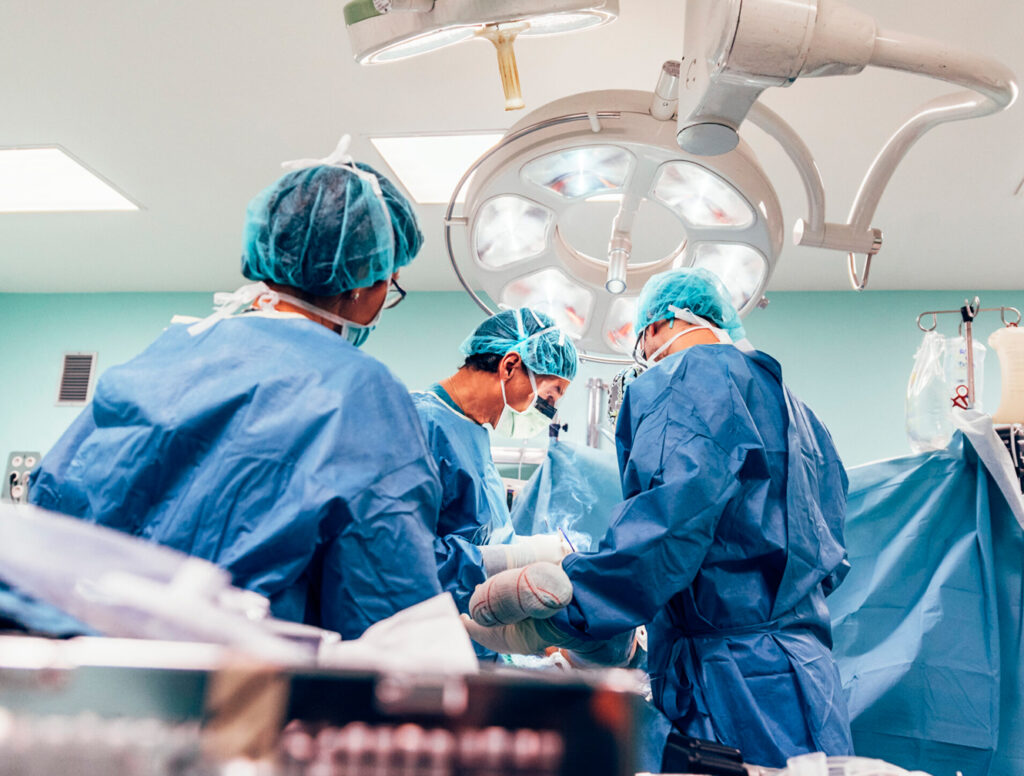
Performed under general anesthesia.
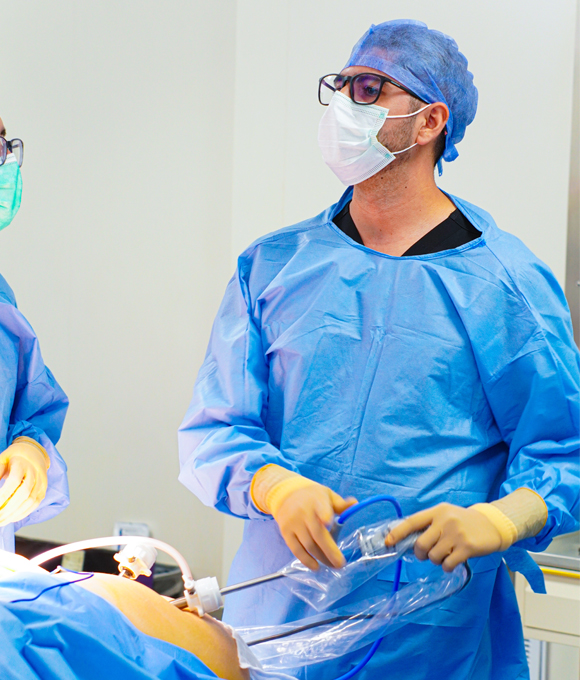
Minimally invasive (laparoscopic) surgery.
Takes 1–3 hours depending on the procedure.
Recovery in the Clinic
Most patients stay 2–4 nights in the clinic.
24/7 nursing staff, IV fluids, pain management, and leak tests before discharge.
Post-Op Hotel Stay (Optional)
Some clinics include 1–2 nights in a nearby hotel with nurse check-ins before travel home.
Return Home & Follow-Up
Usually fly home 5–7 days post-op.
Follow-up done remotely via Zoom or email.
Patients are expected to follow a strict post-op diet and vitamin regimen.
During the first year after your surgery, Dr. Jorge Castillo will see you regularly for follow-up visits and testing. They will take metabolic blood tests to monitor how your health is improving and screen for any nutritional deficiencies.
After the first year, if you’re in good health and have lost a lot of weight, you may want to discuss body contouring options with Dr. Illich Navarro, a body contouring expert after massive weight loss. Body contouring at Mommy Makeover Tijuana can help remove excess skin folds and tighten loose tissues.